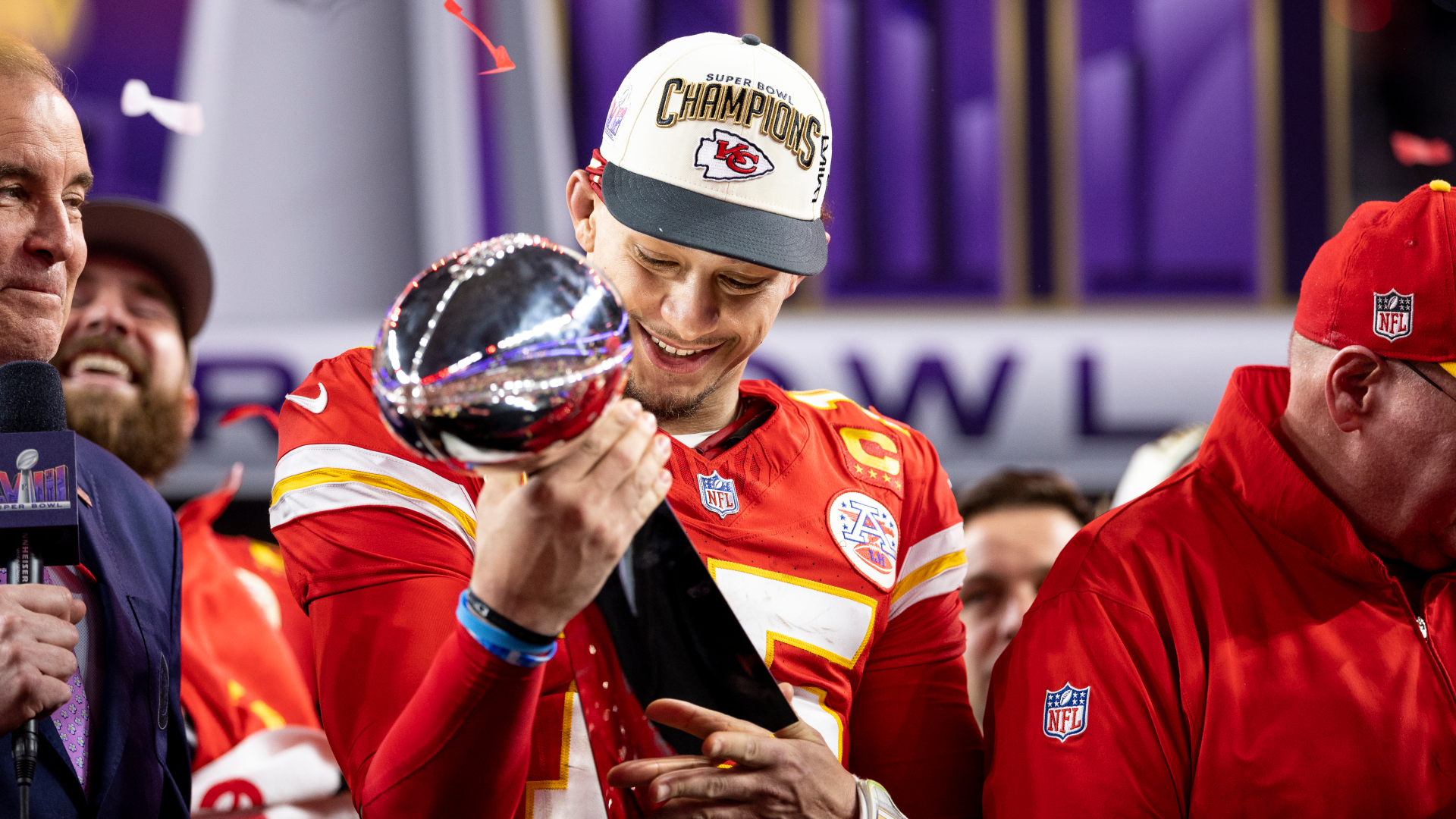
On an evening meant for sportsmanship and celebration, the atmosphere at Super Bowl LIX took a disturbing turn when Taylor Swift, a renowned pop icon, faced a wave of boos from the crowd—a moment that has since reverberated across the nation, sparking intense debate over the underlying cultural currents shaping our society.

The Incident: More Than Just Heckling
Taylor Swift's presence at the Super Bowl, primarily to support her boyfriend, Travis Kelce of the Kansas City Chiefs, should have been unremarkable. Celebrities frequently grace sports events, drawing mild attention but rarely hostility. However, Swift's appearance on the Jumbotron elicited a visceral reaction from the crowd, an almost instant, overwhelmingly male, chorus of jeers. This response starkly contrasted with the cheers that greeted former President Donald Trump’s visage during the same event, highlighting a polarized and troubling reaction from the audience.The Symbolic Undercurrents
The incident at the Super Bowl isn't isolated but rather symptomatic of a deeper, more insidious trend. It comes in a climate where the rhetoric and policies of figures like Trump have emboldened expressions of misogyny and hostility toward inclusivity. The booing of Swift, juxtaposed with the applause for Trump, seemed to underscore a desire among certain segments of the populace to reclaim the cultural narrative, one that reveres traditional, often toxically masculine, values over progressive inclusiveness.
Implications for the NFL and Broader Society
Swift's relationship with Kelce had brought a new demographic of fans to the NFL, significantly boosting its engagement with female audiences—an evolution that some appear to resent as encroaching on a traditionally male-dominated space. This incident starkly highlights the tension between progressing societal norms and the backlash from those who feel threatened by these changes.The Response and the Fallout
The reaction to Swift at the Super Bowl can be seen as a litmus test for the cultural wars currently being waged over the soul of America—wars that are not just about sports or entertainment but about who gets to be visible and valued in public spaces. The targeted booing of Swift, followed by Trump's gloating remarks on social media, only serves to amplify this divide, making it a national talking point about respect, decency, and the power dynamics within American culture.