In a transformative shift that promises to simplify tech usage and reduce electronic waste, the European Union's new regulation mandating a universal charger for electronic devices came into effect this Saturday. This sweeping change, which targets a vast array of digital devices, marks a significant step towards consumer convenience and environmental sustainability.
A Unified Charging Future
The Scope of the New EU Regulation
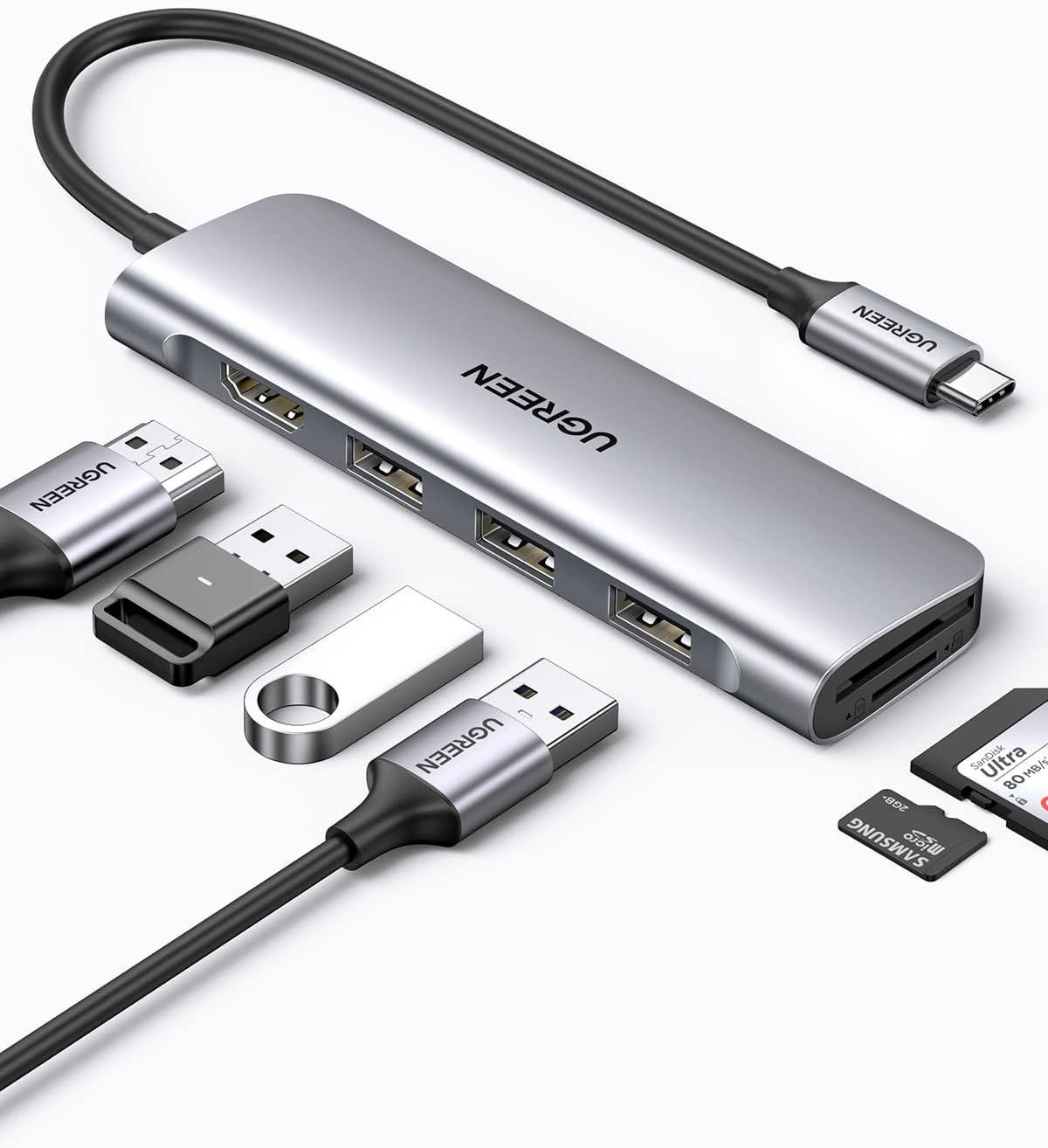
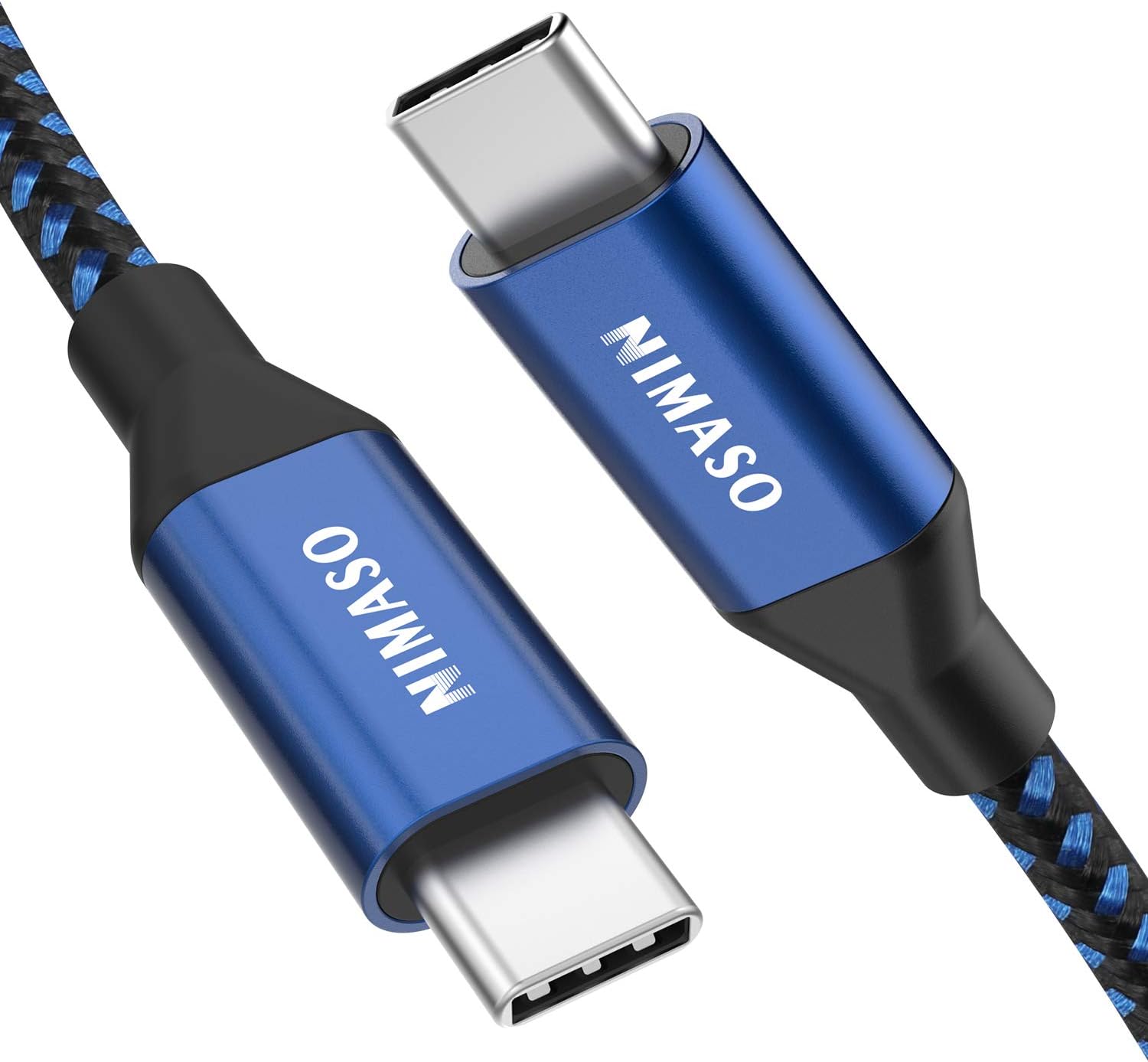
From this point forward, manufacturers are required to equip all new smartphones, tablets, cameras, and a host of other electronic devices sold within the EU with a USB-C charging port. This directive, which encompasses everything from mobile phones to digital cameras and portable speakers, aims to standardize the charging interface across the board, thus reducing the clutter and cost associated with maintaining a variety of chargers.The Benefits of USB-C
The chosen standard, USB-C, is not only capable of high-speed data transfer up to 40 gigabits per second but also supports charging capabilities up to 100 Watts. Its versatility extends to connecting with external displays, highlighting its potential as a universal connector for future technologies.The Road to Regulation
Overcoming Industry Resistance
The path to this regulation has not been without its challenges. Notably, Apple, the world's largest smartphone manufacturer, had expressed strong opposition, arguing that such mandates stifle innovation. Despite its initial resistance, Apple adjusted its stance by September of the previous year, aligning its products with the new EU standard.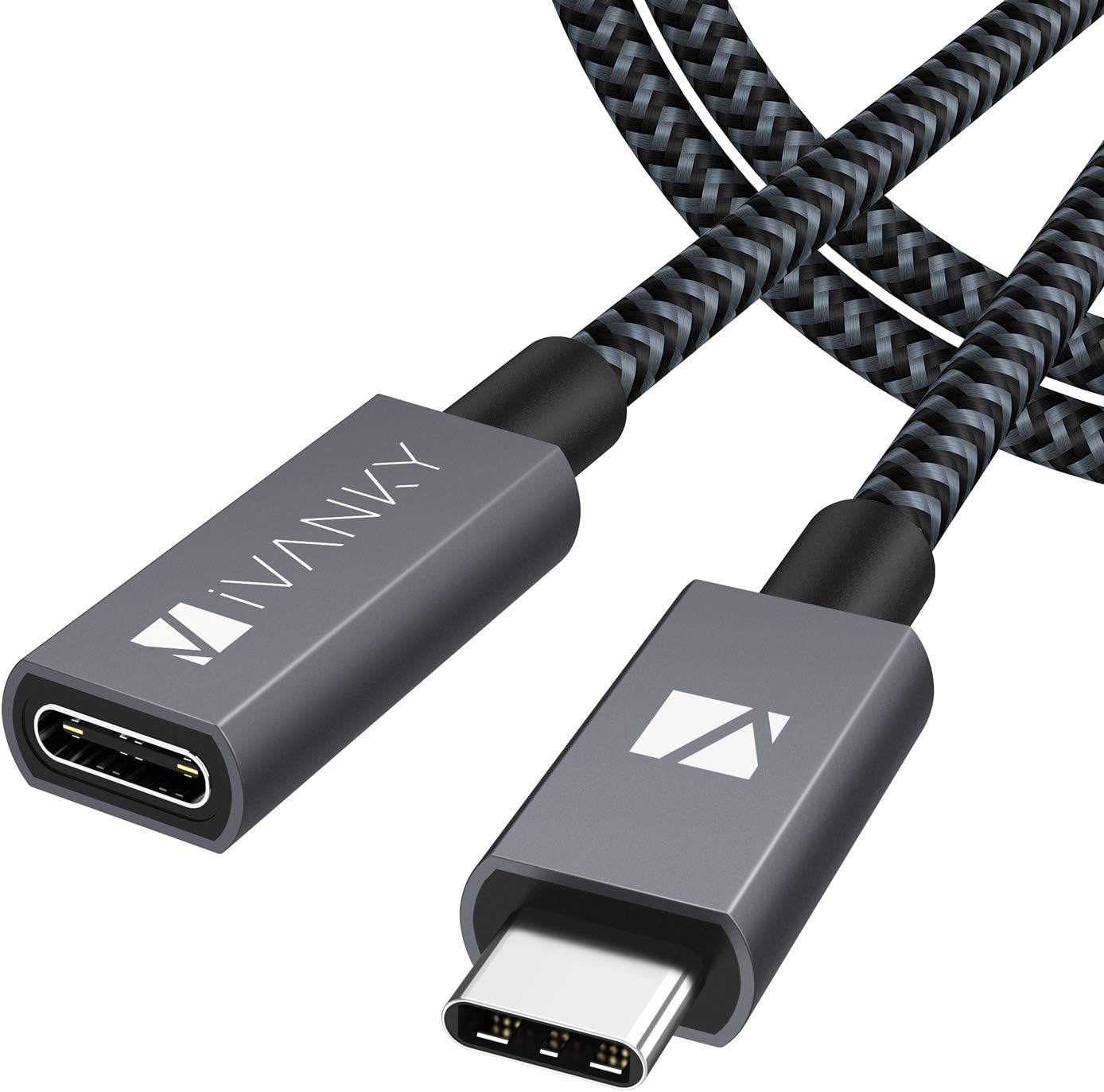
Legislative Journey and Impact
The EU's legislative process culminated in 2022 when the law was finally approved, giving companies a transition period that ended on December 28, 2024. This law not only aims to simplify the consumer experience but also addresses the environmental impact of electronic waste. The European Commission estimates that the universal charger law could save consumers approximately 200 million euros annually and significantly reduce electronic waste—by over a thousand tonnes each year.A Look Ahead: Challenges and Opportunities
The Future of Laptops and Other Devices
While the current mandate includes a range of portable electronics, manufacturers of laptops have been granted an extension until early 2026 to comply. This staggered approach allows for a smoother transition and gives companies adequate time to redesign products if necessary.Global Influence and Industry Adaptation
The EU's move may set a precedent that other regions could follow, potentially leading to a global standard for electronic chargers. This would not only benefit consumers around the world but also push manufacturers towards more sustainable production practices.