
In a turn of events that feels more like a Hollywood thriller than reality, actor-director Justin Baldoni has initiated a staggering $250 million lawsuit against The New York Times. This legal confrontation has caught the public's attention not only because of the significant figures involved but also due to the complex accusations surrounding the production of the film "It Ends With Us." As we delve into the details of this high-stakes legal drama, it becomes clear that this is a story about much more than just a lawsuit—it's about the intersection of media influence, celebrity culture, and the ethical boundaries of journalism.
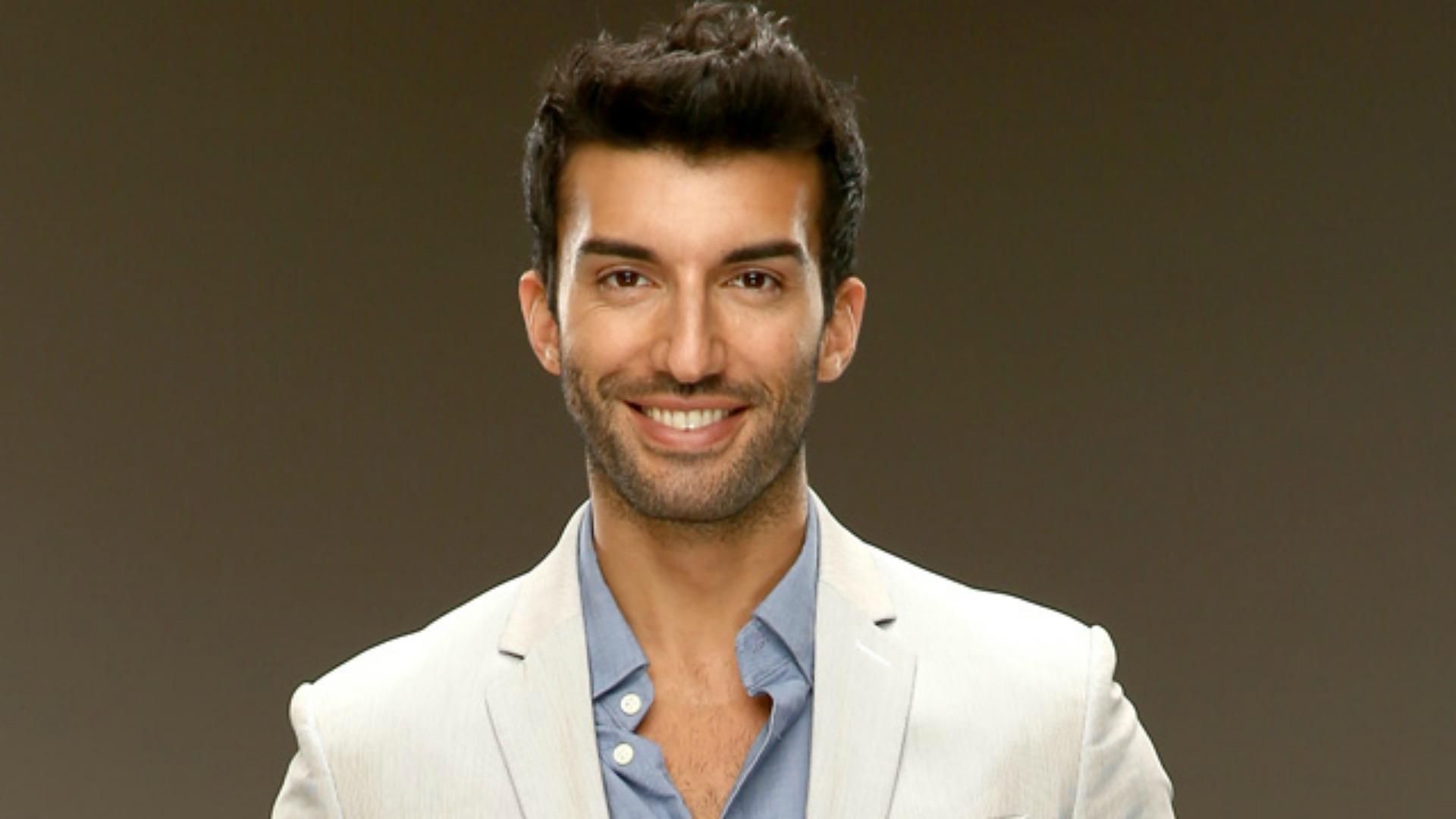
Unpacking the Lawsuit: Allegations and Accusations
The Core of the Controversy
The dispute traces back to a Times article titled “‘We Can Bury Anyone’: Inside a Hollywood Smear Machine,†which painted a rather grim picture of the goings-on behind the scenes of "It Ends With Us." According to the report, Justin Baldoni and his team were involved in unseemly tactics aimed at manipulating public perception and discrediting actress Blake Lively, his co-star in the film. The lawsuit, however, claims that these portrayals were grossly misrepresented and taken out of context, twisting normal workplace interactions into alleged sinister actions.Text Messages and Misinterpretations
Central to the lawsuit is a series of text messages between Baldoni and Lively, which the plaintiffs argue were doctored by The New York Times to cast Baldoni in a negative light. One such exchange shows a seemingly innocuous conversation about script changes and work schedules, which the newspaper suggested had more nefarious undertones involving inappropriate behavior by Baldoni. This misrepresentation forms the backbone of the legal argument, emphasizing the potential damage done to Baldoni's reputation and career.The Role of Publicists and PR Strategies
Also embroiled in the lawsuit are publicists Melissa Nathan and Jennifer Abel, who were depicted as key players in a supposed smear campaign against Lively. The plaintiffs contend that the Times' portrayal omitted crucial context that would have demonstrated the innocence and professionalism of their actions, including sarcastic remarks and explicit denials of involvement in any derogatory activities.
Hollywood's Reactions and the Bigger Picture
Industry Impact and Actor Support
The lawsuit has sent shockwaves through the entertainment industry, prompting discussions about the responsibilities of media outlets in reporting celebrity news. With Baldoni backed by nine other plaintiffs, this case underscores the potential consequences of sensational journalism not just for individuals but for their professional circles and projects.The Fallout: Career and Public Perception
Following the publication of the Times article, Baldoni faced immediate repercussions, including being dropped by his agency, WME. This response highlights the precarious nature of reputation in Hollywood, where allegations, whether substantiated or not, can have rapid and ruthless impacts on careers.Legal and Ethical Implications
Journalism on Trial
At the heart of this lawsuit is a critical examination of journalistic integrity and ethics. The case raises important questions about the balance between investigative reporting and the preservation of individual rights and reputations. How the court navigates these issues could set significant precedents for media conduct and celebrity privacy.The Road Ahead: Trials and Tribulations
As this legal battle progresses, it will undoubtedly continue to attract public and media scrutiny, influencing discussions about media power, celebrity culture, and legal accountability. Whatever the outcome, the effects of this lawsuit will resonate far beyond the courtrooms, potentially reshaping how stories about celebrities are reported and consumed in the future.