Google's ambitious venture into the next frontier of artificial intelligence introduces Gemini, a robust suite of generative AI models aimed at transforming the way we interact with digital content across multiple platforms. As Google continues to expand its AI capabilities, Gemini emerges as a key player in the ongoing evolution of AI technologies, challenging established names like OpenAI’s ChatGPT, Meta’s Llama, and Microsoft’s Copilot. This guide provides a detailed look into what Gemini offers, how it functions, and its potential to reshape digital interactions.

What Is Google Gemini?
Gemini represents Google's advanced leap into generative AI, developed through the combined efforts of Google Research and DeepMind. This suite includes several models tailored for different needs and capacities:- Gemini Ultra: The most advanced, handling complex multimodal tasks.
- Gemini Pro: Designed for professional-grade applications.
- Gemini Flash and Gemini Flash-8B: Faster, distilled versions for quicker tasks.
- Gemini Nano: Including the smaller Nano-1 and Nano-2, optimized for offline use.
Gemini's Integration Across Google's Ecosystem
Gemini is not just about standalone models; it's about integration across Google's vast ecosystem. From mobile apps replacing traditional tools like Google Assistant to its embedding in popular applications such as Gmail, Docs, and Google Maps, Gemini is set to enhance Google's service offerings substantially. With features like real-time transcription, image captioning, and even generating travel itineraries, Gemini is weaving AI more deeply into everyday digital tasks.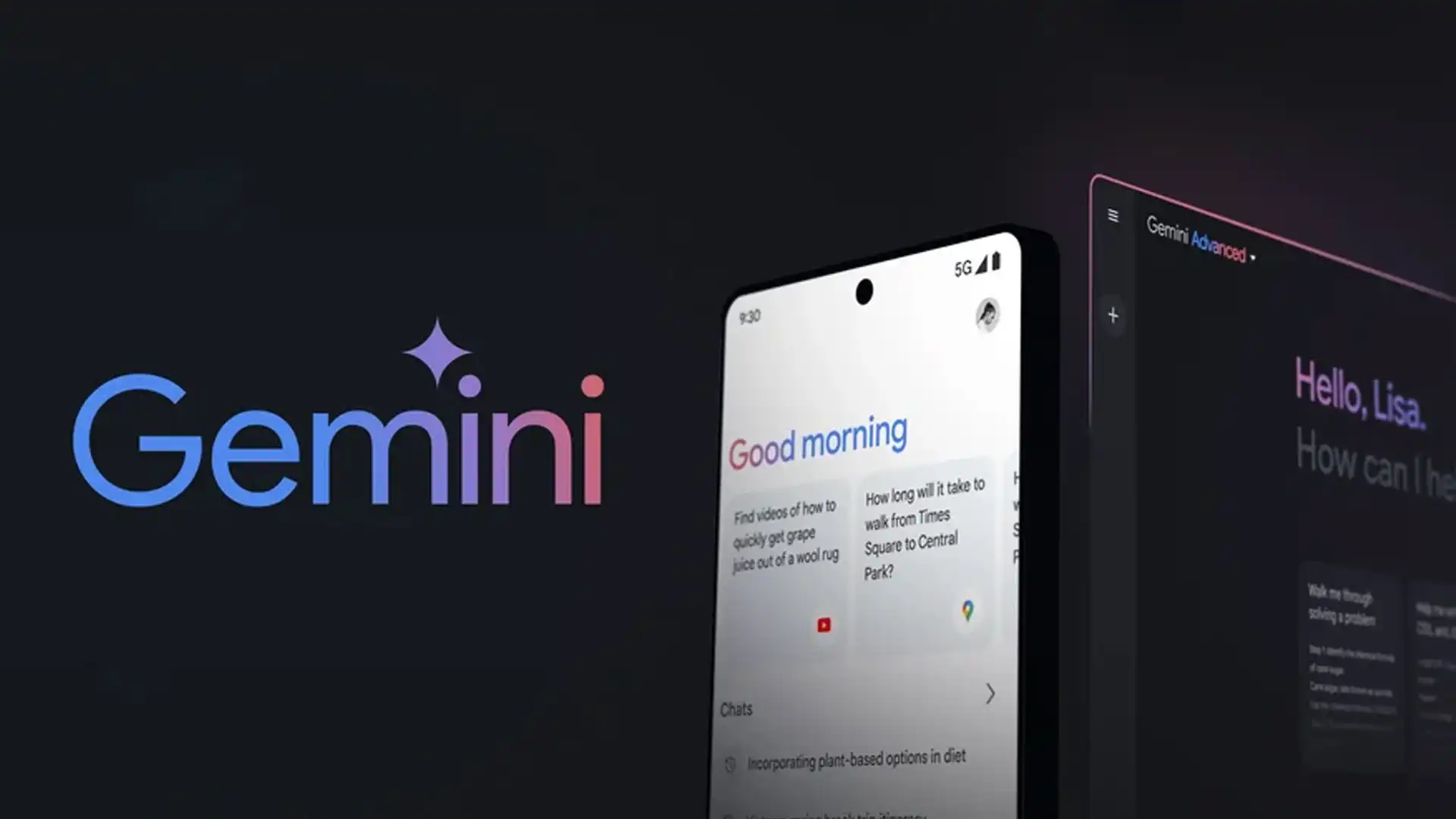
Gemini Advanced: The Premium AI Experience
For users seeking even more power, Gemini Advanced offers enhanced capabilities, accessible through the Google One AI Premium Plan. This service not only provides access to the more robust features of Gemini in standard applications but also introduces unique functionalities like the ability to run and edit Python code directly within the app and a substantially larger context window for conversations.Pricing and Accessibility
Gemini’s pricing model is structured to cater to various needs, from individual users to large enterprises, with a pay-as-you-go system that scales with use. This flexible pricing ensures that users only pay for the processing power they need, making advanced AI accessible to a broader range of customers.Ethical Considerations and Future Directions
As with any AI technology, Gemini raises questions about the ethics and legality of training models on extensive data sets, some of which may include data obtained without explicit owner consent. Google has addressed these concerns partially with an AI indemnification policy, though it includes significant caveats. Users are advised to proceed with caution, especially in commercial applications.