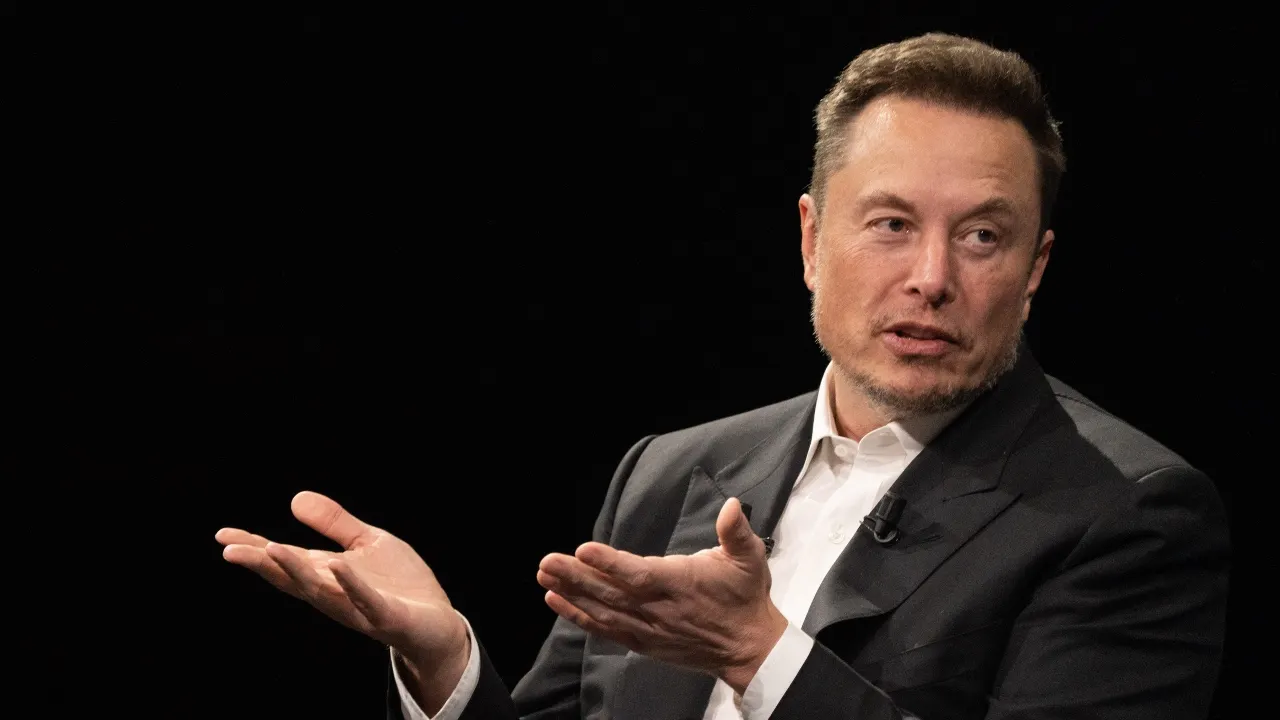
In the bustling tech world of San Francisco, a legal drama unfolds as a group of former OpenAI employees rally behind Elon Musk in his lawsuit to prevent a major structural shift at OpenAI. The lawsuit, which has captured the attention of the tech community, centers on maintaining the company's non-profit status amidst plans to allow greater investor control.
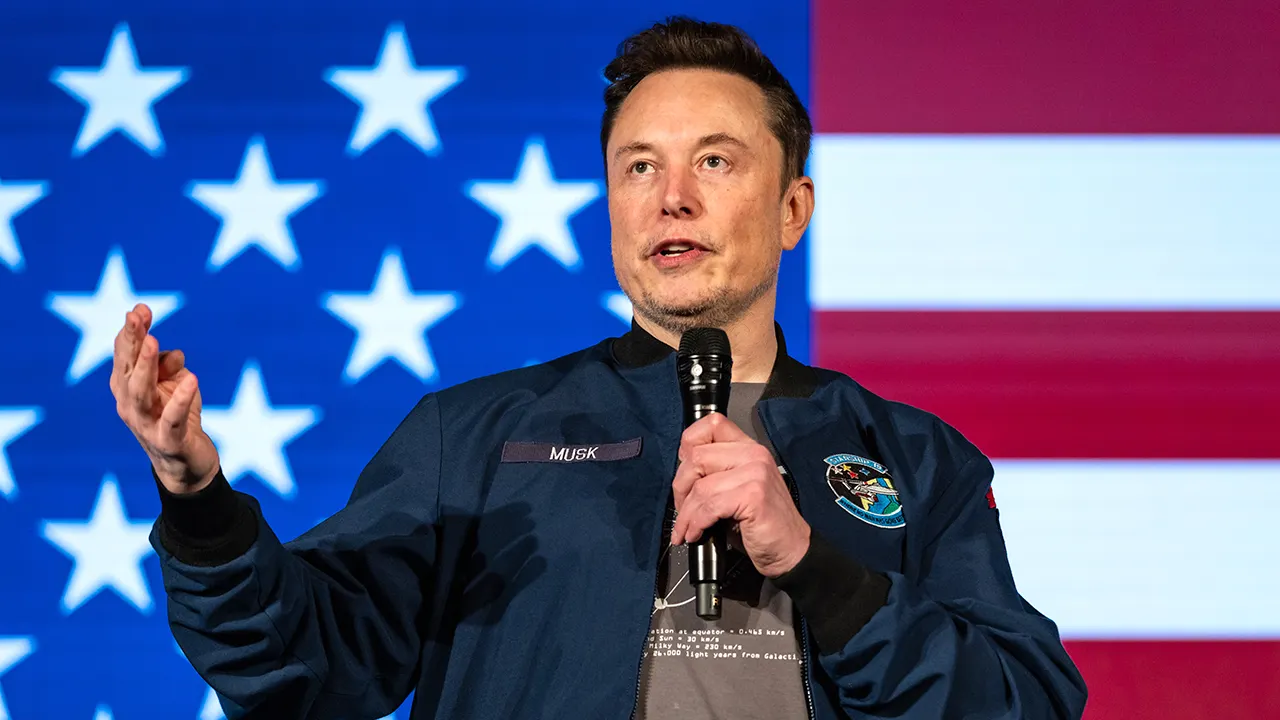
The Heart of the Dispute: Non-Profit Integrity vs. Corporate Interests
Elon Musk, co-founder of OpenAI and CEO of Tesla, initiated legal action against OpenAI and its current CEO, Sam Altman. Musk's primary contention is that OpenAI is diverging from its foundational mission—to harness artificial intelligence for humanity's benefit rather than for corporate profits. This accusation brings to light a significant philosophical divide within the AI community regarding the ethical development and control of AI technologies.Former Employees Weigh In
On a recent Friday, a dozen ex-employees of OpenAI, who previously held technical and leadership roles, filed a supportive brief in federal court. They argue that removing the non-profit's controlling stake would fundamentally undermine OpenAI's mission, which they assert was pivotal not only to the company’s strategy but also crucial for recruitment and maintaining a mission-driven workforce.OpenAI's Defense and Strategic Shift
OpenAI presents a different perspective, suggesting that altering the non-profit’s role is necessary for attracting substantial investment. According to the firm, this change would not dilute its mission but rather enrich the non-profit’s ability to fund and expand its humanitarian objectives. OpenAI asserts, "Our Board has been very clear: our nonprofit isn’t going anywhere and our mission will remain the same."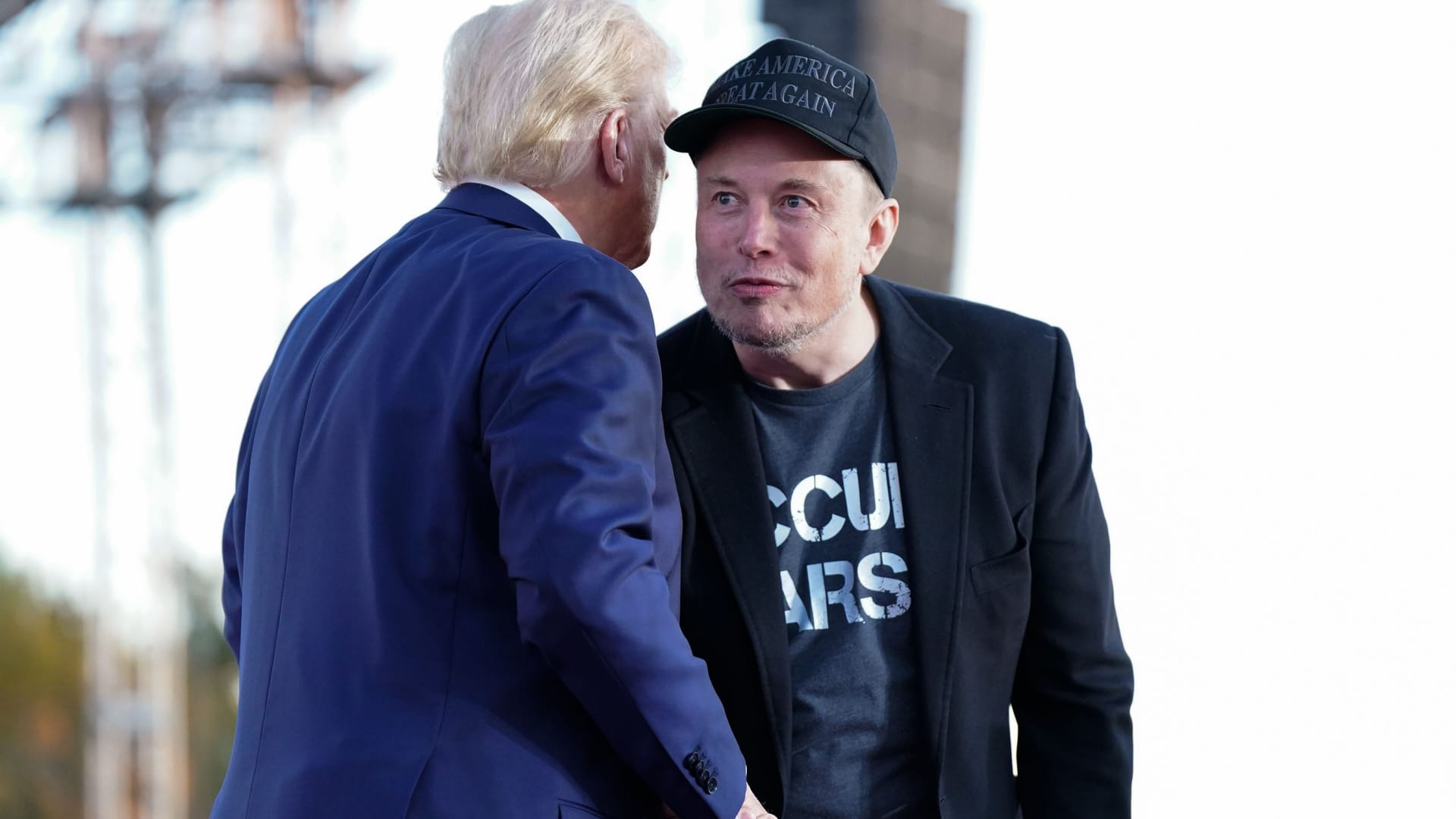
The Implications of the Legal Battle
This lawsuit and the surrounding controversy highlight a broader discussion in the tech industry about the balance between innovation, profit, and ethical responsibility. As OpenAI aims for a significant $40 billion fundraising round to secure its future growth, the outcome of this legal battle could set a precedent for how AI companies balance public good with commercial pressures.Musk's Broader AI Ambitions and Industry Impact
The dispute also sheds light on Elon Musk’s broader AI ambitions, evidenced by his creation of a new AI firm, xAI, in 2023. Sam Altman hints at underlying competitive tensions, suggesting Musk's legal actions might be partly motivated by a desire to temper a burgeoning competitor. With a jury trial scheduled for next spring, the tech world watches closely as these two titans of industry prepare to clash over the soul of one of the most influential AI companies today. The outcome will likely influence not just the future of OpenAI but also the ethical landscape of AI development globally.