A recent study has revealed alarming levels of per- and polyfluoroalkyl substances (PFAS), commonly known as "forever chemicals," in smartwatch bands, raising significant health concerns for users.
The Hidden Dangers in Your Smartwatch
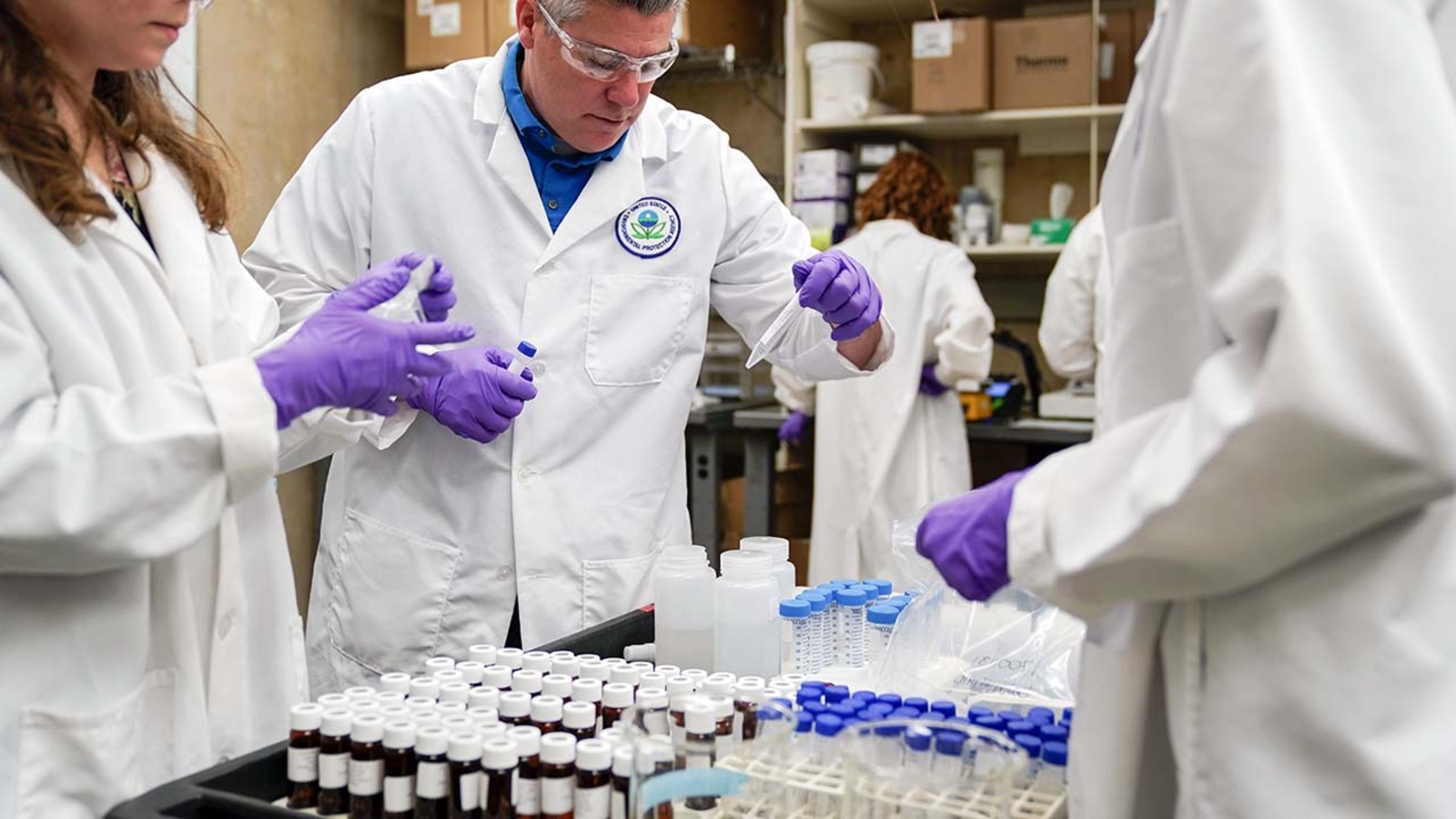
Smartwatches and fitness trackers are staple accessories for many, valued for tracking everything from steps to sleep. However, a new study conducted by the University of Notre Dame has brought to light a less known but potentially hazardous aspect of these devices: the bands. Researchers tested 22 smartwatch bands widely available in the U.S. and found that those priced over $15 often contained "very high concentrations" of PFAS, particularly alarming in bands made with synthetic rubber.
A Closer Look at the Findings
The study, published in Environmental Science and Technology, points out that the most expensive bands contained the highest concentrations of these chemicals. "The most remarkable thing we found in this study was the very high concentrations of just one PFAS — there were some samples above 1,000 parts per billion of PFHxA, which is much higher than most PFAS we have seen in consumer products," noted Graham Peaslee, a professor emeritus at the University of Notre Dame and co-author of the study.
Health Risks of PFAS
The presence of PFAS in smartwatch bands is particularly concerning due to their potential health impacts. These chemicals are linked to an increased risk of cancer, childhood obesity, metabolism disruptions, and immune system impairments. According to the National Institute of Environmental Health Sciences, as much as 60% of PFAS can be absorbed through the skin, and this rate may increase with sweat, which is common during exercise when these devices are typically worn.What Can Consumers Do?
While the specific brands of the tested bands were not disclosed, the findings highlight a need for consumer awareness and potentially stricter regulations on wearable tech accessories. For those concerned about exposure, opting for bands made from natural materials could be a safer alternative. Furthermore, the call for transparency in manufacturing processes and materials used in these products is becoming louder, urging manufacturers to find safer, non-toxic alternatives for their products.